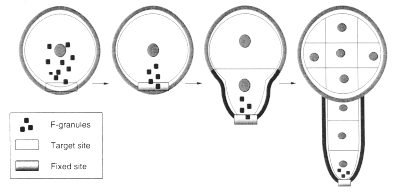
Figure 2. Development of Fucus zygotes from 8-10 h
after fertilization to the formation of a polar, multicellular embryo. (a)
Under
normal conditions, the spherical zygote establishes a polar axis with a
target site at the shaded end of a unilateral light gradient. The F
granules are transported to this site and deposit their contents into the
cell wall, resulting in the conversion of the target site into the fixed
site of polar growth. After an asymmetric division, oriented at
90o to the light source, the two-celled embryo maintains the
cell wall differences formed in the zygote in the rhizoid and thallus
cells and their derivatives in the multicellular embryo. Experimental evidence indicates that these cell
wall differences can provide developmental information to the cells with
which they come into contact. This information specifies cell-specific
(rhizoid or thallus) traits.